
Squash Pasta Recipes You’ll Love Making at Home
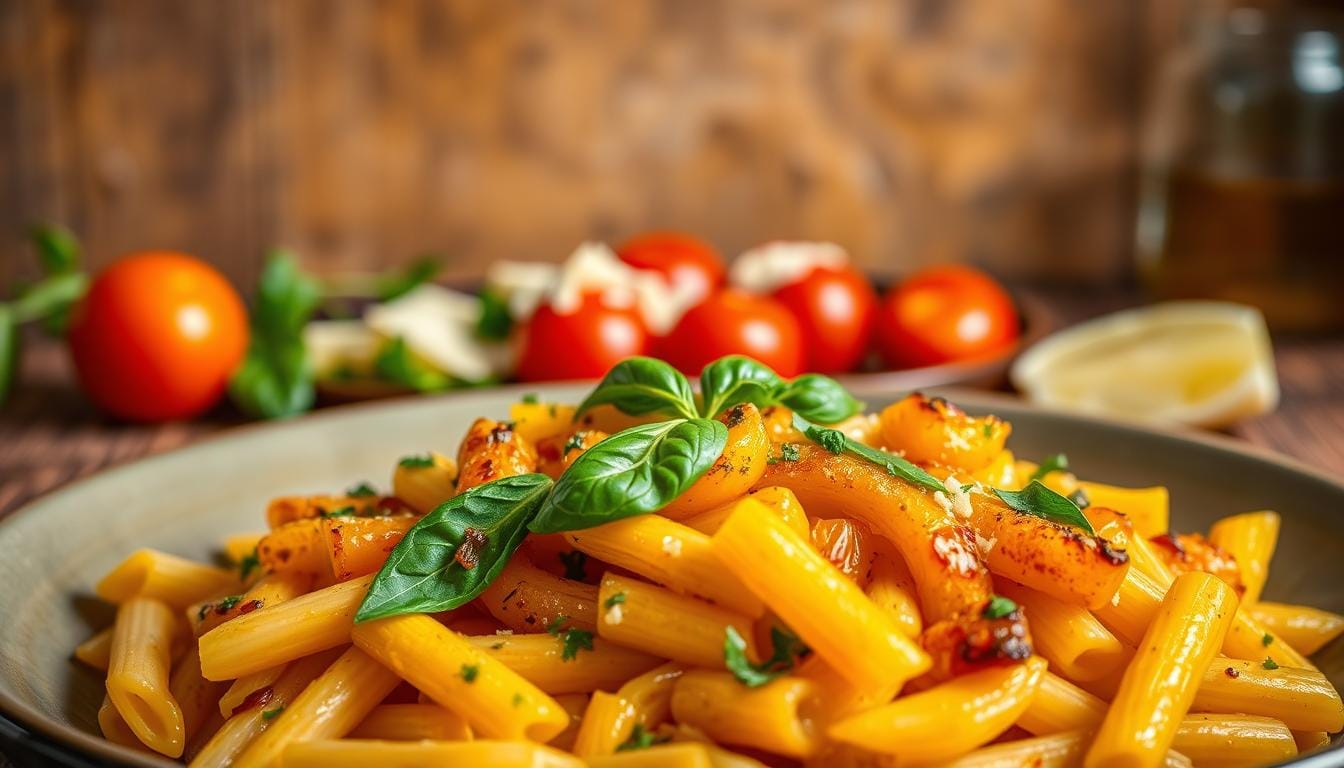
The scent of roasted squash and sage fills the autumn air — a sure sign that cozy meals are calling. As the days grow cooler and the leaves start to fall, few dishes bring more comfort than a warm, creamy bowl of squash pasta. I still remember the first time I turned a simple butternut squash into a silky, soul-warming sauce. it felt like capturing the essence of fall in a single bite.
Fall pasta dishes are more than just dinner ideas; they’re about creating moments of joy and warmth in the kitchen. With every forkful, butternut squash pasta recipes remind us that simple, seasonal ingredients can make extraordinary meals. Whether you’re a seasoned cook or just exploring fall-inspired pasta dishes, these recipes will inspire you to slow down and savor the season.
From roasted butternut pasta to creamy delicata creations, squash pasta offers endless possibilities for delicious, nourishing meals. Each recipe celebrates fall’s rich flavors, bringing comfort, color, and coziness right to your table.
Understanding Different Types of Squash for Pasta Dishes
Choosing the right squash can change your cooking game. Not all squash is the same, especially for making tasty squash pasta.
Each squash type adds its own flavor and texture to pasta. Knowing about them helps pick the best one for your meal.
Butternut Squash: The Classic Choice
Butternut squash is the go-to for pasta. It has a sweet, nutty taste and a creamy feel. Roasting it makes it even better, adding a deep, caramel flavor.
- Smooth, uniform texture
- Rich orange color
- Naturally sweet flavor profile
- Easy to find in most grocery stores
Delicata Squash: The No-Peel Option
Delicata squash is great for busy cooks. Its thin, edible skin means less prep time and easier cooking. It’s perfect for quick squash pasta recipes when time is tight.
- Tender, edible skin
- Mild, sweet flavor
- Requires minimal preparation
- Excellent for weeknight meals
Other Squash Varieties for Pasta
Butternut and delicata are favorites, but others can spice up your pasta. Try kabocha, acorn, or carnival squash for new tastes.
Pro tip: Roasting brings out the best flavors in most squash varieties for pasta dishes.
Essential Kitchen Tools for Making Squash Pasta
Making delicious squash pasta needs more than just ingredients. The right kitchen tools can make cooking easier and help you make dishes that taste like they’re from a restaurant. Having the right equipment makes preparing squash pasta smoother and more fun.
When you start making squash pasta, you’ll need some key tools. These tools make cutting, roasting, and blending squash easy. Your kitchen should have a few essential items to improve your cooking skills.
- Sharp Chef’s Knife: Critical for safely cutting through tough squash varieties
- Sturdy Baking Sheet: Ensures even roasting of squash for pasta dishes
- High-Powered Blender or Food Processor: Creates silky smooth squash pasta sauces
- Large Pasta Pot: Provides ample space for cooking various pasta shapes
- Vegetable Peeler: Helps prepare squash efficiently
Cutting tools are very important for making squash pasta. A sharp chef’s knife makes cutting through hard squash easy. A strong vegetable peeler helps remove squash skin quickly and safely.
Roasting is a key step in many squash pasta recipes. A heavy-duty baking sheet with raised edges keeps liquid in and caramelizes squash well. With a good food processor or blender, you can turn roasted squash into creamy pasta sauces.
Pro tip: Invest in quality tools that will last through many squash pasta cooking adventures!
With these essential tools, your kitchen will be ready to make delicious squash pasta. Your dishes will impress your family and friends.
The Perfect Roasted Butternut Squash & Garlic Base
Starting a tasty roasted butternut pasta means mastering roasting butternut squash and garlic. The right way to do it turns these simple items into a rich base for your pasta.
Temperature and Timing Guidelines
Roasting butternut squash needs precision. The best temperature is between 425°F and 450°F. This heat caramelizes the squash’s sugars, adding a deep, sweet flavor to your pasta.
- Preheat oven to 425°F-450°F
- Cut squash into 1-inch cubes for even roasting
- Roast for 35-45 minutes
Seasoning Combinations
Boost your roasted butternut pasta with the right seasoning. The right mix can turn simple squash into a culinary gem.
| Seasoning Blend | Flavor Profile | Best Paired With |
|---|---|---|
| Sage & Thyme | Earthy and Warm | Parmesan Pasta |
| Cinnamon & Nutmeg | Sweet and Spicy | Brown Butter Sauce |
| Rosemary & Garlic | Robust and Aromatic | Olive Oil Pasta |
Roasting Techniques
Perfect roasting is more than just tossing squash in the oven. Spread cubes in a single layer, drizzle with olive oil, and make sure they’re not too close together. This lets each piece caramelize well, giving you those crispy edges that make your pasta unforgettable.
- Use parchment paper for easy cleanup
- Flip squash halfway through cooking
- Let cool for 5 minutes before blending
Creating Creamy Squash Pasta Sauce
Making a silky, tasty pasta sauce from roasted butternut squash is simple. Your butternut squash pasta recipes can become incredibly creamy with a few easy steps. These steps bring out the squash’s natural sweetness.
To make a top-notch butternut squash pasta sauce, focus on a smooth, rich base. Begin by blending your roasted squash with one of these creamy ingredients:
- Full-fat coconut milk for a dairy-free option
- Heavy cream for traditional richness
- Vegetable broth for a lighter consistency
- Greek yogurt for added tanginess
Seasoning is key to deepening flavors. Think about adding these flavor enhancers:
| Ingredient | Flavor Profile | Recommended Quantity |
|---|---|---|
| Parmesan Cheese | Salty, umami | 1/4 cup grated |
| Sage | Earthy, aromatic | 2 tablespoons chopped |
| Nutmeg | Warm, subtle sweetness | 1/4 teaspoon ground |
| Garlic | Pungent, robust | 2-3 minced cloves |
Blending techniques are important for your butternut squash pasta recipes. Use a high-powered blender for a super-smooth sauce. Make sure there are no lumps. To adjust the sauce’s thickness, add warm broth or pasta water as needed.
Best Pasta Shapes for Squash Recipes
Choosing the right pasta shape can make your squash pasta amazing. Not all pasta shapes are the same for fall pasta dishes. The best pasta should match and enhance the creamy texture of squash sauces.
When picking pasta for your squash pasta, think about how it works with the sauce. Some shapes hold thick, velvety sauces better than others.
Short Pasta Options
Short pasta shapes are great for squash pasta recipes. They offer a fun dining experience:
- Rigatoni: The ridged exterior and wide tubes trap thick squash sauces well
- Shells: Their curved shape holds the sauce nicely
- Penne: Offers a perfect sauce-to-pasta ratio
- Orecchiette: Creates pockets for creamy squash sauce
“The right pasta shape can elevate your fall pasta dishes from simple to spectacular!” – Culinary Expert
Long Pasta Recommendations
Long pasta varieties also work well with squash sauces. Here are some options:
- Fettuccine: Wide, flat noodles that blend well with creamy squash sauce
- Pappardelle: Strong pasta for hearty squash dishes
- Linguine: Elegant base for light squash sauce variations
Your pasta shape choice can make or break your squash pasta. Try different shapes to find your favorite!
Squash Pasta: A Step-by-Step Guide
Making delicious squash pasta at home is simple. This guide will show you how to turn butternut squash into a tasty meal. It’s sure to wow your family and friends.
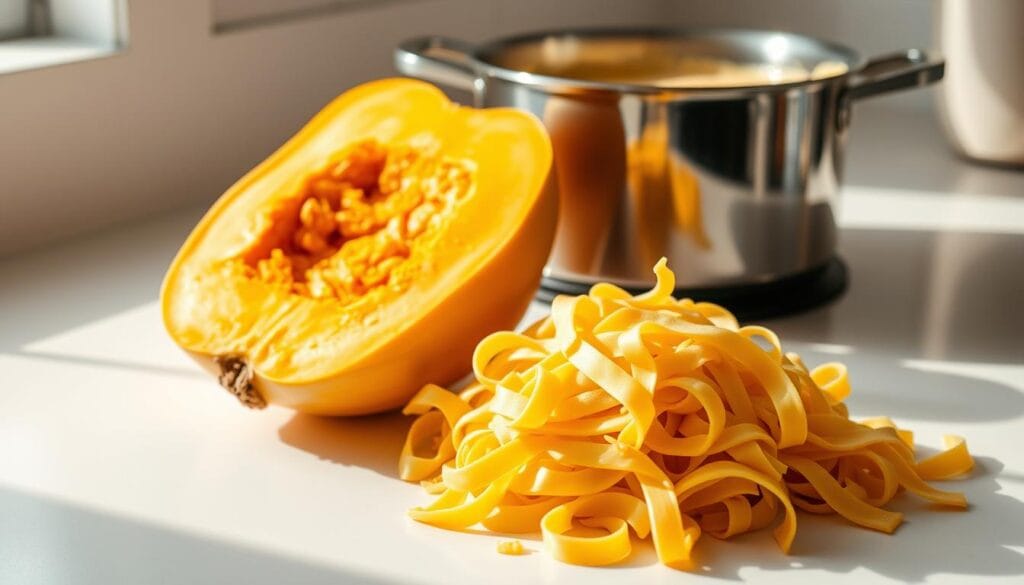
First, pick a ripe butternut squash. Look for one with a deep color and firm feel. Quality ingredients are key for the best squash pasta.
- Prepare the squash by washing and cutting it into uniform cubes
- Roast the squash cubes until they’re golden and tender
- Blend roasted squash into a smooth, creamy sauce
- Cook your preferred pasta until al dente
- Combine the squash sauce with pasta
Your squash pasta technique is important. Temperature and timing are crucial for the perfect texture and flavor.
“The secret to great squash pasta is patience and attention to detail.” – Professional Chef
When blending your squash sauce, aim for a silky consistency. Use a high-powered blender or food processor. This will make a smooth base that coats your pasta well.
| Ingredient | Quantity | Preparation |
|---|---|---|
| Butternut Squash | 1 medium | Cubed and roasted |
| Pasta | 8 oz | Al dente |
| Olive Oil | 2 tbsp | For roasting |
With practice, you’ll get great at making squash pasta like a pro. Try different seasonings and techniques to make it your own.
Customizing Your Squash Pasta Dish
Fall pasta dishes are a canvas for creativity, especially with squash. You can turn a simple squash pasta into a personalized dish that everyone will love.
Thanksgiving pasta dishes shine when you try new ingredients and flavors. Let’s see how to make your squash pasta even better.
Protein Powerhouses
Add protein to make your pasta even more delicious:
- Shredded rotisserie chicken
- Crispy pancetta bits
- Ground turkey
- Crumbled Italian sausage
- Roasted chickpeas (vegetarian option)
Vegetable Mix-ins
Adding veggies boosts nutrition and taste:
- Caramelized onions
- Roasted bell peppers
- Sautéed mushrooms
- Wilted spinach
- Crispy sage leaves
Cheese Variations
Cheese can change your pasta game. Try these options:
- Classic Parmesan
- Creamy goat cheese
- Sharp aged cheddar
- Smoked gouda
- Truffle-infused pecorino
The secret to a great Thanksgiving pasta is finding the right balance. Feel free to mix these ideas to make your dish unique.
Making Your Dish Dairy-Free and Gluten-Free
Making squash pasta for those with dietary needs doesn’t mean losing flavor. It’s great for those who can’t have lactose, follow a gluten-free diet, or just want to try new things. These changes make for a tasty meal.
For a dairy-free squash pasta, try these creamy options:
- Coconut milk for a rich, smooth sauce
- Cashew cream for a neutral, velvety texture
- Nutritional yeast for a cheesy flavor profile
Gluten-free pasta choices have grown a lot lately. Your squash pasta can now be made with:
- Brown rice pasta
- Chickpea pasta
- Lentil pasta
- Quinoa pasta
“The key to perfect gluten-free squash pasta is understanding each pasta’s unique cooking characteristics.” – Culinary Expert
When cooking gluten-free pasta, keep these tips in mind:
- Cook pasta slightly less than package instructions
- Rinse with cold water to prevent sticking
- Add sauce immediately to maintain ideal texture
Your dietary needs shouldn’t stop you from being creative in the kitchen. With these swaps, squash pasta is a dish for everyone to love.
Tips for Storing and Reheating Squash Pasta
Your delicious squash pasta doesn’t have to be a one-time meal. Proper storage and reheating techniques can help you enjoy your culinary creation for several days. This way, you can keep its incredible flavor and texture.
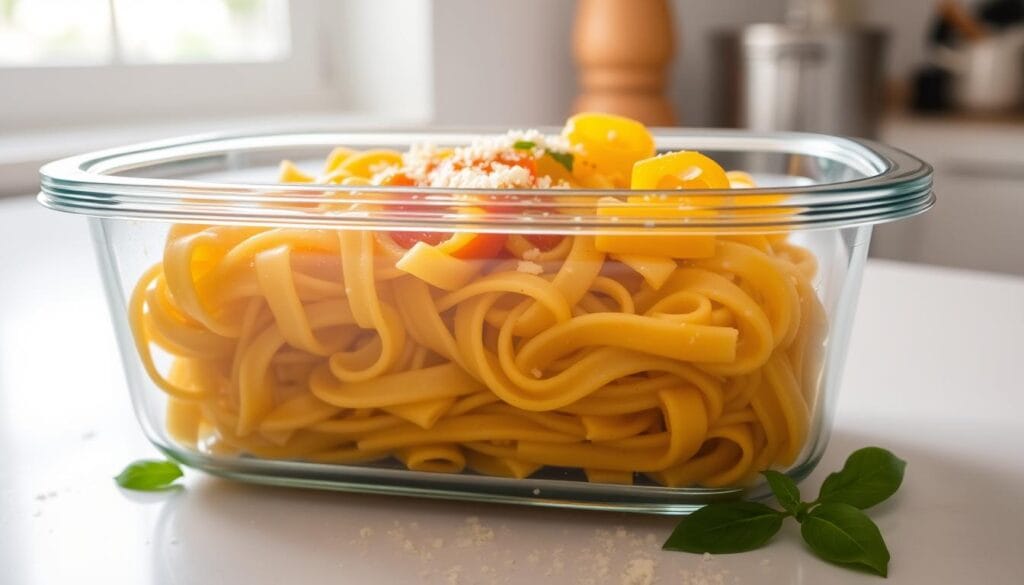
Squash pasta can be a fantastic make-ahead dish that tastes even better the next day. The rich, creamy flavors often develop more depth after resting in the refrigerator.
Smart Storage Guidelines
When storing your squash pasta, follow these key recommendations:
- Store in an airtight container
- Refrigerate within 2 hours of cooking
- Keep for up to 3-4 days in the refrigerator
- Separate sauce from pasta if possible to prevent sogginess
Reheating Techniques for Perfect Squash Pasta
Reviving your squash pasta requires gentle warming to preserve its creamy consistency:
- Stovetop Method: Reheat in a pan with a splash of broth or water
- Microwave Technique: Use medium power and stir frequently
- Oven Approach: Cover with foil to prevent drying out
Pro tip: Always add a little liquid when reheating. This helps restore the sauce’s smooth texture. It prevents your squash pasta from becoming dry or clumpy.
Seasonal Variations and Ingredient Substitutions
Changing up your squash pasta dishes all year keeps things exciting. Each season brings new chances to try out your favorite recipes. This is especially true for thanksgiving pasta dishes, which can easily adjust to different ingredients and tastes.
Here are some creative ways to vary your dishes:
- Fall: Add roasted apples and fresh sage to your squash pasta
- Winter: Mix in hearty kale or roasted chestnuts for warmth
- Spring: Use light herbs like basil and swap heavy cream for yogurt
- Summer: Try chilled pasta salads with squash and fresh veggies
Substituting ingredients can keep your dish’s essence alive, even when you’re missing something. Your pantry might not always have what you need. But, with a little creativity, you can make do.
| Original Ingredient | Potential Substitution |
|---|---|
| Butternut Squash | Pumpkin or Acorn Squash |
| Parmesan Cheese | Nutritional Yeast (Vegan Option) |
| Heavy Cream | Coconut Milk or Greek Yogurt |
Pro tip: Always taste and adjust seasonings when making substitutions to maintain the dish’s flavor profile.
Nutritional Benefits of Squash-Based Pasta Dishes
Squash pasta is not only tasty, but it’s also packed with nutrients. It can turn your meal into a health boost. Each serving of squash pasta has vitamins, minerals, and nutrients that help your overall health.
Let’s look at the good stuff squash brings to your pasta:
- Low-calorie alternative to traditional cream-based sauces
- High in vitamin A, supporting eye and immune health
- Rich in fiber, promoting digestive wellness
- Contains potassium for heart and muscle function
Different squash types have their own nutritional benefits. Butternut squash, a favorite for squash pasta, offers:
| Nutrient | Amount per Cup |
|---|---|
| Calories | 82 |
| Fiber | 7 grams |
| Vitamin A | 457% Daily Value |
| Vitamin C | 52% Daily Value |
Choosing squash pasta means you’re making a smart choice. It’s not just tasty; it’s also full of nutrients. The natural sweetness and creamy texture make a great sauce that’s good for you.
“Food is not just fuel, it’s information. Squash pasta sends your body the right signals for optimal health.” – Nutrition Expert
Adding squash pasta to your meals is a smart move. It’s a balanced, healthy option that’s also delicious. Your body will appreciate this choice.
Conclusion
Squash pasta is more than a meal; it’s a journey through flavors and health. Fall pasta dishes let you try new cooking ways. They turn simple ingredients into amazing meals.
Your kitchen becomes a place where squash varieties meet to make great food. You can roast squash or make special sauces. There are endless ways to cook squash pasta at home.
Looking for gluten-free options or trying new pasta shapes? Squash pasta fits your needs. It makes every meal both cozy and thrilling.
Start your cooking adventure today. Try squash pasta in your kitchen. Pick your favorite squash, add ingredients that match, and let your creativity flow.
With practice, squash pasta becomes more than a dish. It shows off the beauty of seasonal cooking. It warms your heart and fills your plate.
Cooking is fun and a way to explore. Every squash pasta recipe you make brings you closer to mastering it. So, dive in, enjoy, and relish every bite of your homemade dish.