
Herb Butter – Easy Homemade Compound Butter Recipe
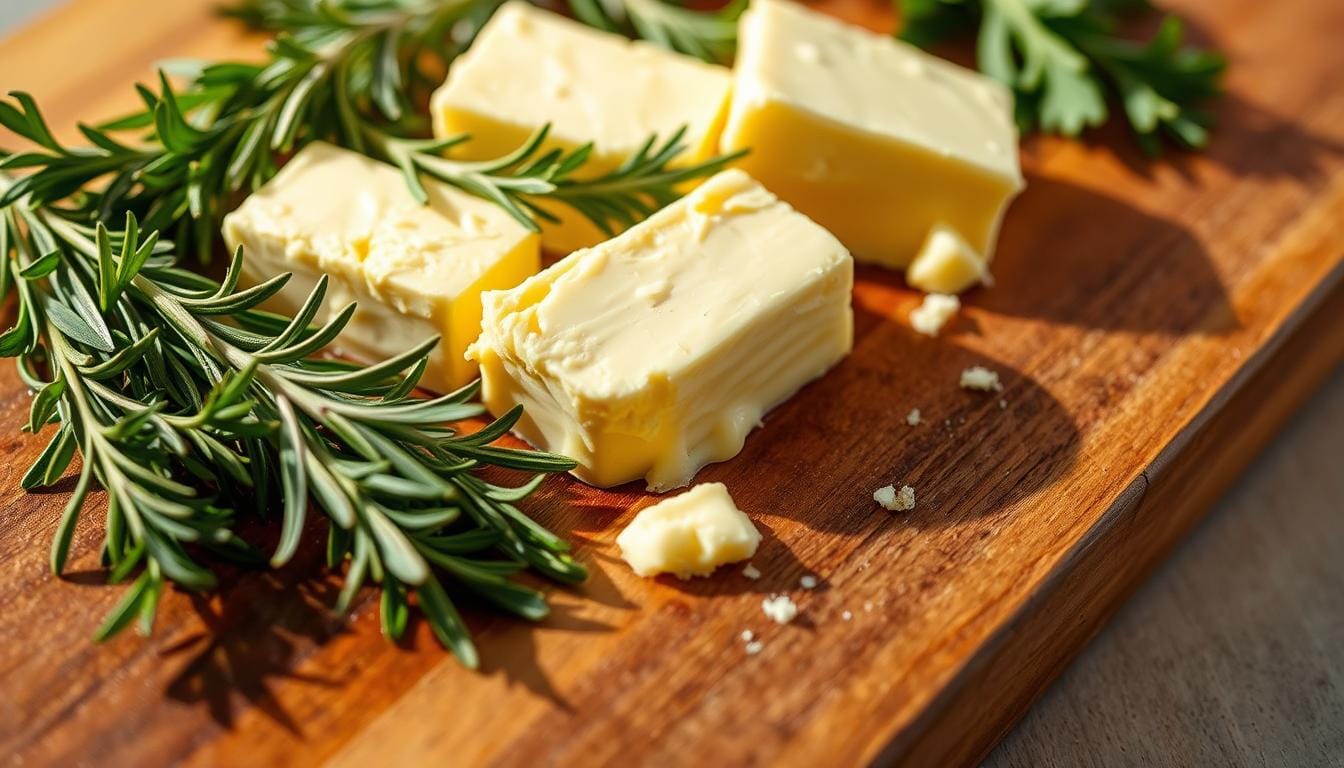
Every kitchen has a secret ingredient that transforms ordinary meals into something special — for me, that’s herb butter. This flavorful spread adds richness and depth to every dish with almost no effort. As someone who loves experimenting with new tastes, I discovered that making compound butter is the easiest way to elevate everyday cooking.
Picture this: warm bread or a juicy steak topped with melting herb butter. Instantly, your meal feels gourmet. Whether you’re an experienced cook or just starting your culinary journey, learning how to make herb butter at home is both simple and rewarding.
More than just a spread, herb butter is a creative way to infuse flavor into your kitchen. With a handful of fresh herbs, creamy butter, and a touch of love, you can create a versatile recipe that turns any meal into something memorable.
Understanding Compound Butter Basics
Learning to make herb butter at home changes your cooking game. It turns a simple item into a fancy treat. A herbed butter recipe brings fancy flavors to your kitchen, making simple dishes special.
Compound butter is a clever cooking trick. It mixes softened butter with fresh herbs, spices, and seasonings. This way, you can make spreads that are full of life and smell amazing.
What Defines Compound Butter
Compound butter begins with top-notch unsalted butter. The secret to great herbed butter is using fresh, high-quality stuff. Your homemade herb butter can have:
- Fresh herbs from your garden
- Organic butter
- Complementary spices
- Zesty citrus zest
Benefits of Crafting Your Own Herb Butter
Making your own herb butter has many perks:
- You get to pick every ingredient
- It tastes fresher
- It’s cheaper to make
- You can mix flavors however you like
Essential Ingredient Insights
| Ingredient Category | Recommended Options | Flavor Impact |
|---|---|---|
| Butter Base | Unsalted European-style butter | Rich, creamy foundation |
| Fresh Herbs | Basil, chives, parsley | Bright, aromatic notes |
| Optional Enhancers | Garlic, lemon zest | Depth and complexity |
By grasping these basics, you can make herb butter that wows everyone.
Essential Equipment for Making Herb Butter
Making tasty herb butter at home is easy. You don’t need fancy kitchen tools. Just a few simple items will help you make herb butter as good as any restaurant’s. The right tools make the process smooth and the results perfect every time.
Must-Have Tools for Herb Butter
- Soft butter at room temperature
- Mixing bowl
- Electric mixer or hand whisk
- Cutting board
- Sharp knife
- Plastic wrap or parchment paper
Choosing the right tools makes making herb butter fun. A stand mixer mixes well, but a hand mixer works great too. Precision is key in creating a smooth, well-blended compound butter.
Optional Helpful Equipment
| Equipment | Purpose | Convenience Level |
|---|---|---|
| Silicone butter molds | Shaping butter | High |
| Digital kitchen scale | Precise ingredient measurement | Medium |
| Herb chopper | Fine herb preparation | Low |
You don’t need to spend a lot on tools. Most people already have what they need to start making herb butter. The key ingredients are fresh herbs, good butter, and a little creativity.
You don’t need a fancy kitchen to make great herb butter. With these basic tools, you can make delicious compound butter quickly.
Best Fresh Herbs for Compound Butter
Creating the perfect herb butter starts with picking the right herbs. The right mix of fresh herbs can turn simple butter into something amazing. Knowing which herbs to use will make your garlic and herb butter recipe stand out.
Fresh herbs add vibrant flavors and unique tastes to your butter. Each herb has its own special flavor that can make your dishes even better.
Popular Herb Combinations
- Classic Blend: Parsley, chives, and thyme make a traditional herb butter
- Mediterranean Mix: Rosemary, oregano, and basil bring strong flavors
- Spicy Kick: Cilantro and red pepper flakes add a fun twist
Seasonal Herb Selection Guide
| Season | Recommended Herbs | Flavor Profile |
|---|---|---|
| Spring | Chives, Dill, Tarragon | Light, Fresh, Delicate |
| Summer | Basil, Oregano, Mint | Bright, Intense, Aromatic |
| Fall | Sage, Thyme, Rosemary | Warm, Earthy, Robust |
| Winter | Parsley, Chervil, Garlic | Mild, Comforting, Subtle |
Growing Your Own Herbs Tips
Growing herbs at home means you always have the freshest ingredients. Start with a small herb garden on your windowsill or balcony. Choose herbs that grow well in your area and need little care.
- Use well-draining soil
- Provide adequate sunlight
- Water consistently
- Harvest herbs regularly to promote growth
By learning about herbs and how to grow them, you’ll make herb butter with amazing fresh flavors every time.
Step-by-Step Preparation Method
Making your own herbed butter is simpler than you might think. It lets you create a tasty spread that makes any dish better. You only need a few ingredients and basic steps.
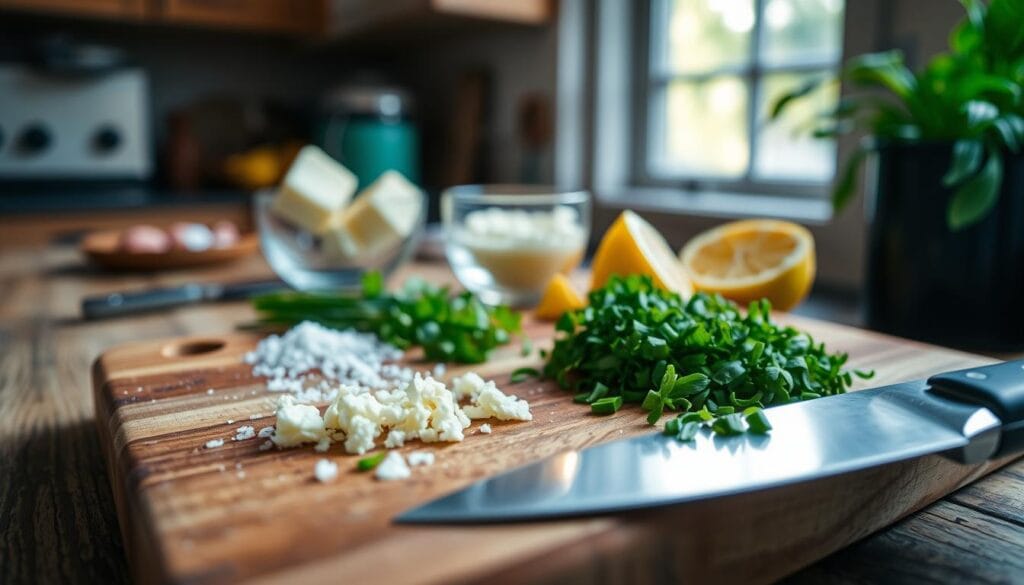
First, get your ingredients ready and let the butter soften at room temperature. This step is key for smooth mixing and even herb distribution.
- Soften unsalted butter for 30-45 minutes
- Finely chop fresh herbs of your choice
- Mix herbs into softened butter
- Add optional seasonings like salt or garlic
- Shape the butter mixture
How you mix the butter matters. Use a fork or spatula to mix herbs well. Try for an even color and texture in the butter.
| Mixing Technique | Best Practices |
|---|---|
| Room Temperature Butter | Soft but not melted |
| Herb Chopping | Finely mince for best integration |
| Mixing Method | Gentle folding prevents over-working |
Once mixed, shape the butter into a log on parchment paper. Wrap it tightly and chill for at least an hour. Now, your homemade herb butter is ready to use and enjoy!
Creative Herb Butter Variations
Exploring compound butter recipes opens a world of culinary creativity. These spreads turn simple dishes into amazing meals by adding unique flavors. Whether you cook at home or professionally, learning different herb butter recipes can improve your skills.
Starting your compound butter journey means learning about flavor combinations. Each mix brings its own special taste, letting you make your dishes unique with just a few ingredients.
Classic Garlic and Herb Butter Recipe
The garlic and herb butter recipe is a favorite among cooks. It mixes fresh garlic with herbs, making a tasty spread for many dishes.
- Softened unsalted butter
- Minced fresh garlic
- Chopped parsley
- Chopped chives
- Salt and pepper to taste
Citrus-Infused Butter Options
Citrus-infused compound butter recipes add a bright, zesty flavor to your cooking. Lemon and dill are great with seafood and veggies.
| Citrus Herb Butter | Best Paired With |
|---|---|
| Lemon and Dill | Grilled Fish |
| Orange and Thyme | Roasted Chicken |
| Lime and Cilantro | Grilled Shrimp |
Spicy Flavor Combinations
For those who like a bit of heat, spicy compound butter recipes are exciting. Mix your butter with chipotle peppers, red pepper flakes, or jalapeños for bold spreads.
- Chipotle butter
- Sriracha-infused butter
- Chili and lime butter
Trying out these creative herb butter variations will change your cooking. It adds depth and complexity to every meal you make.
Storage and Preservation Tips
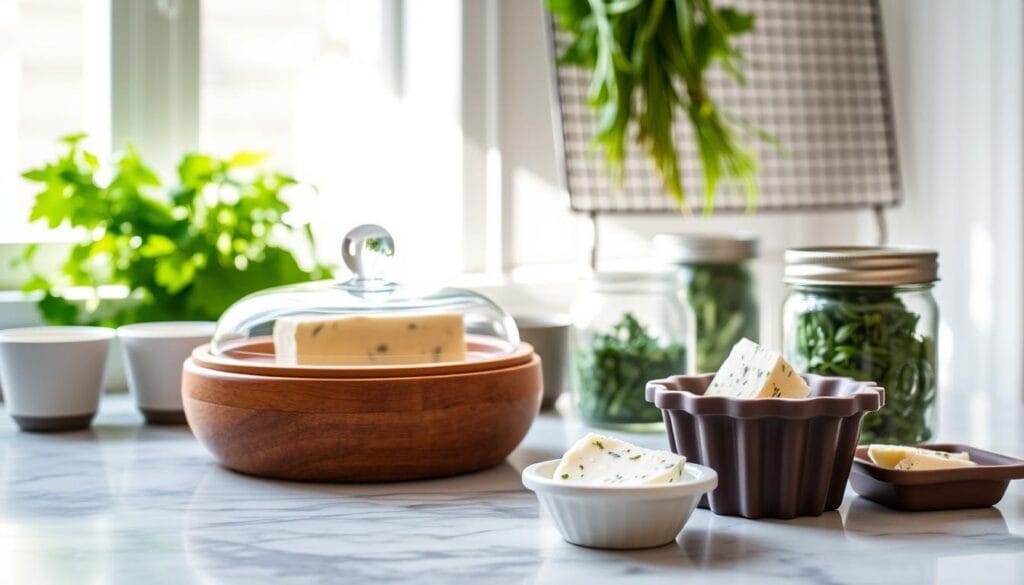
Making herb butter is just the start. Keeping it fresh is key to enjoying it for weeks or months. The goal is to keep the flavor strong and prevent it from spoiling.
For short-term storage, the fridge is best. Your herb butter will last up to two weeks in an airtight container. Wrap it tightly in plastic or parchment paper to avoid fridge odors.
- Wrap herb butter in parchment paper or plastic wrap
- Store in an airtight container
- Keep away from strong-smelling foods
- Place in the coldest part of the refrigerator
Freezing is great for longer storage. Your herb butter can last up to four months in the freezer. Use wax paper or plastic wrap to make rolls. This makes thawing just what you need easy.
Pro tip: Mark your herb butter with the date you made it. This keeps track of freshness and flavor. Freezing in smaller portions helps with thawing and reduces waste.
- Freeze in portion-sized logs
- Use freezer-safe containers or wrap
- Thaw in the refrigerator overnight
- Consume within 4 months for best quality
Remember, proper storage is crucial to maintaining the vibrant herbs and rich flavor of your homemade butter.
Serving Suggestions and Uses
Herb butter makes simple dishes into culinary wonders. It can turn plain bread into a gourmet delight with just a bit of flavor.
There are endless ways to use herb butter in cooking. Let’s look at some tasty ways to add it to your meals.
Perfect Pairings for Different Dishes
- Grilled Meats: Melt herb butter over steak, chicken, or fish for an instant flavor boost
- Vegetables: Enhance roasted or steamed vegetables with a pat of herb butter
- Breads: Spread on warm toast, dinner rolls, or baguette slices
- Pasta: Toss with freshly cooked pasta for a rich, herbal coating
Temperature and Serving Guidelines
The best way to enjoy herb butter is at room temperature. It spreads easily and releases its full aroma. For topping hot dishes, slightly chilled butter is better.
Pro tip: For the best flavor, take your compound butter out of the fridge 15 minutes before serving. This lets the herbs’ essential oils shine, making the taste more vibrant.
A small amount of herb butter can transform an entire dish from ordinary to extraordinary!
Nutritional Information and Benefits
Your homemade herbed butter recipe is not just tasty—it’s also full of nutrients. Knowing its health benefits lets you enjoy it as part of a healthy diet.
A typical serving of herbed butter (about 1 tablespoon) has:
- 100 calories
- 11 grams of total fat
- 30 milligrams of cholesterol
- Trace amounts of protein
The herbs in your butter have amazing health perks. Fresh herbs like parsley, basil, and chives add important vitamins and minerals. They also bring antioxidants that boost your immune system and fight inflammation.
Even though herbed butter is rich in nutrients, it’s important to use it in moderation. Use it to add flavor, not as the main ingredient. A little bit can make a big difference in taste without overloading on calories.
Herbs in your herbed butter recipe offer great nutritional benefits:
- Parsley: Rich in Vitamin K
- Basil: Contains antioxidants
- Chives: Provides Vitamin A and K
Making your own herbed butter is a delicious way to add herbs to your meals. It brings flavor and possible health benefits to your table.
Troubleshooting Common Issues
Creating the perfect herb butter recipe can sometimes present unexpected challenges. Even experienced home cooks encounter texture and flavor issues. These can impact the final product. Understanding these potential problems helps you craft delicious herb butter with confidence.
When learning how to make herb butter, several common issues might arise during preparation. Recognizing and addressing these problems ensures your compound butter turns out delectable every time.
Texture Challenges and Quick Fixes
- Butter separation: Ensure ingredients are at room temperature
- Grainy consistency: Thoroughly mix herbs and softened butter
- Uneven herb distribution: Chop herbs finely and fold gently
Flavor Balance Techniques
Achieving the right herb butter flavor requires careful ingredient selection and proportioning. Salt, herbs, and butter must harmonize perfectly.
| Issue | Solution |
|---|---|
| Overpowering herb flavor | Reduce herb quantity by 25% |
| Bland taste | Add pinch of salt or zest |
| Bitter herb notes | Remove herb stems before chopping |
Mastering how to make herb butter involves practice and patience. Each batch offers an opportunity to refine your technique and develop a personalized flavor profile.
Conclusion
Making your own herb butter opens up a world of flavors. These compound butter recipes turn simple ingredients into gourmet delights. They can make any dish go from ordinary to extraordinary.
Herb butter is not just for spreads. It’s great for grilling meats and finishing vegetables. It adds a burst of flavor to your meals. Whether you’re cooking at home or dreaming of being a chef, trying different herbs is a fun way to add your own touch.
Begin with simple recipes and then try more complex flavors. Your taste buds will love the journey of making your own compound butters. The most important thing is to have fun and be creative with your ingredients.
With time, you’ll get better at mixing herbs to create unique butters. Your homemade herb butter will become a special ingredient in your cooking. It will add excitement and depth to every meal you make.